Mass finishing is a mechanical surface process used mainly for metal workpieces.
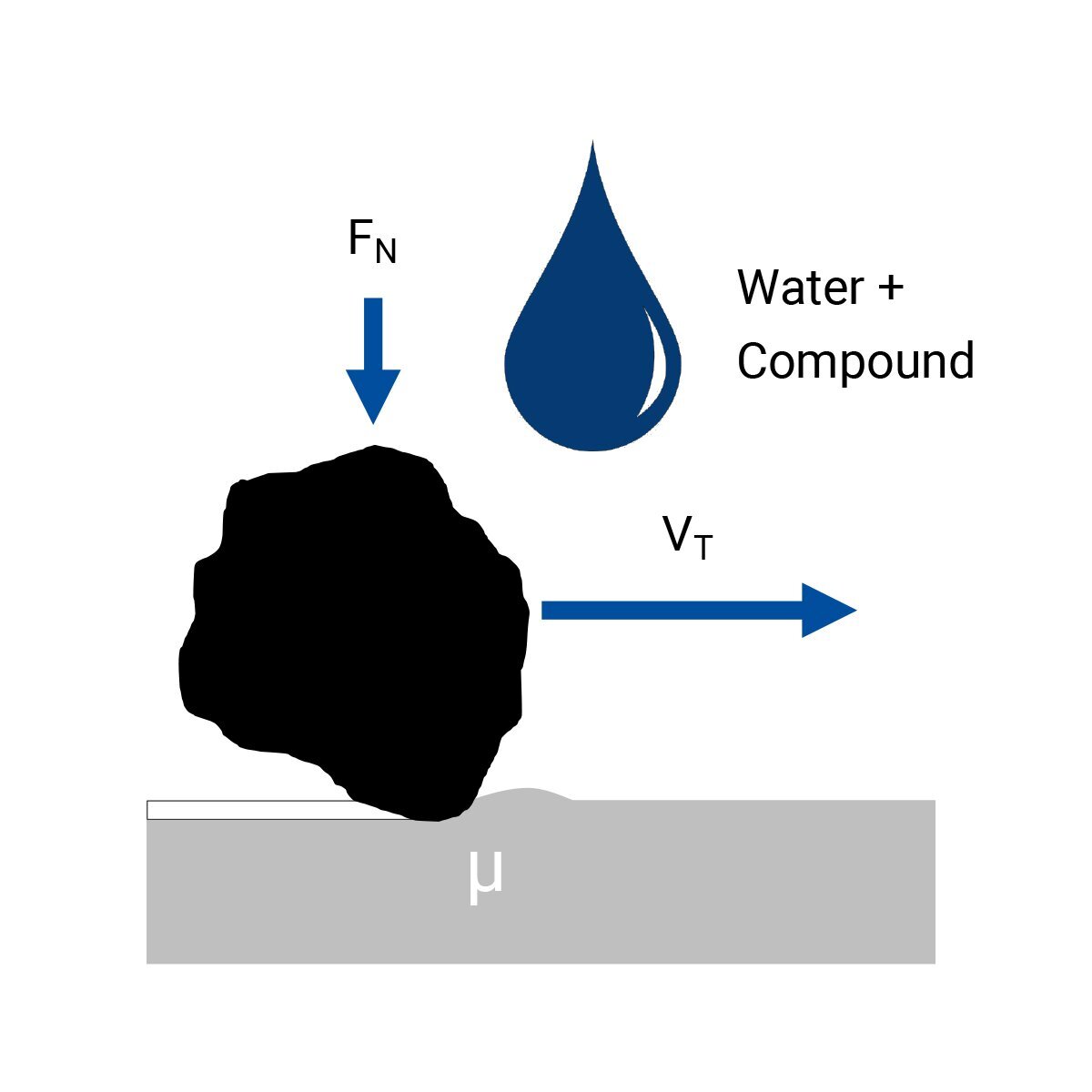
Workpieces are placed in a bulk container with grinding bodies (“chips”), usually with an additive in an aqueous solution (compound).
As the process container or the workpieces move, they produce relative motion between the workpieces and the grinding bodies which removes material from the workpiece surfaces, particularly the edges.
Mass finishing is governed by DIN 8589, which terms it “barrel polishing” since it is sometimes a lapping or polishing process rather than grinding.
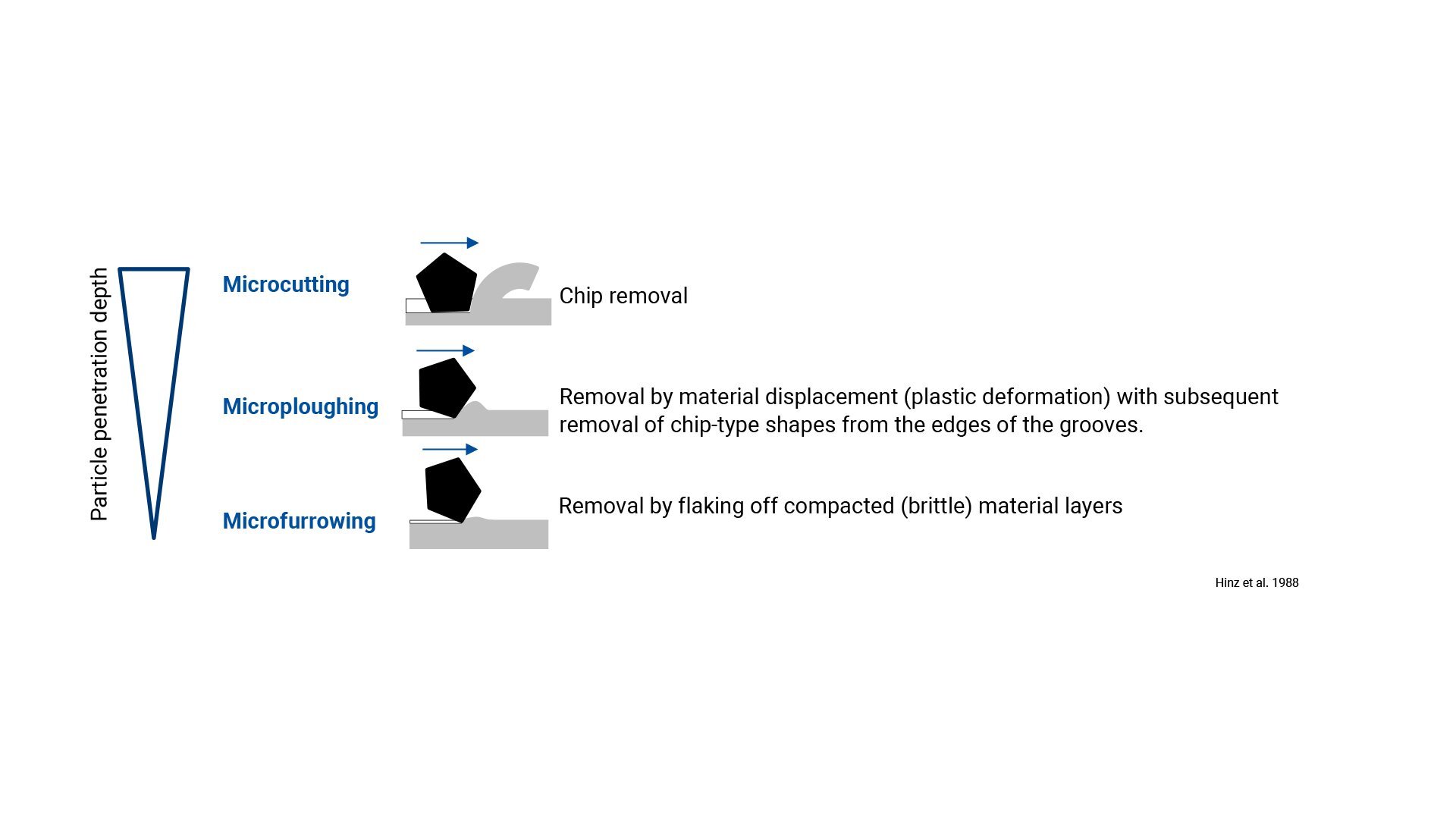
Ordered by grinding media particle penetration depth
Mass finishing is also tribology...
Intended abrasion
Furrowing and plastifying
Changing the microstructure
Conditioning
Friction energy
Objectives:
Achieving smooth surfaces
Minimising roughness peaks
Correcting grinding directionality (isotropy)
Anticipating run-in of surfaces
WHY USE MASS FINISHING?
Workpieces can usually be processed in bulk: cost effective.
High process reliability.
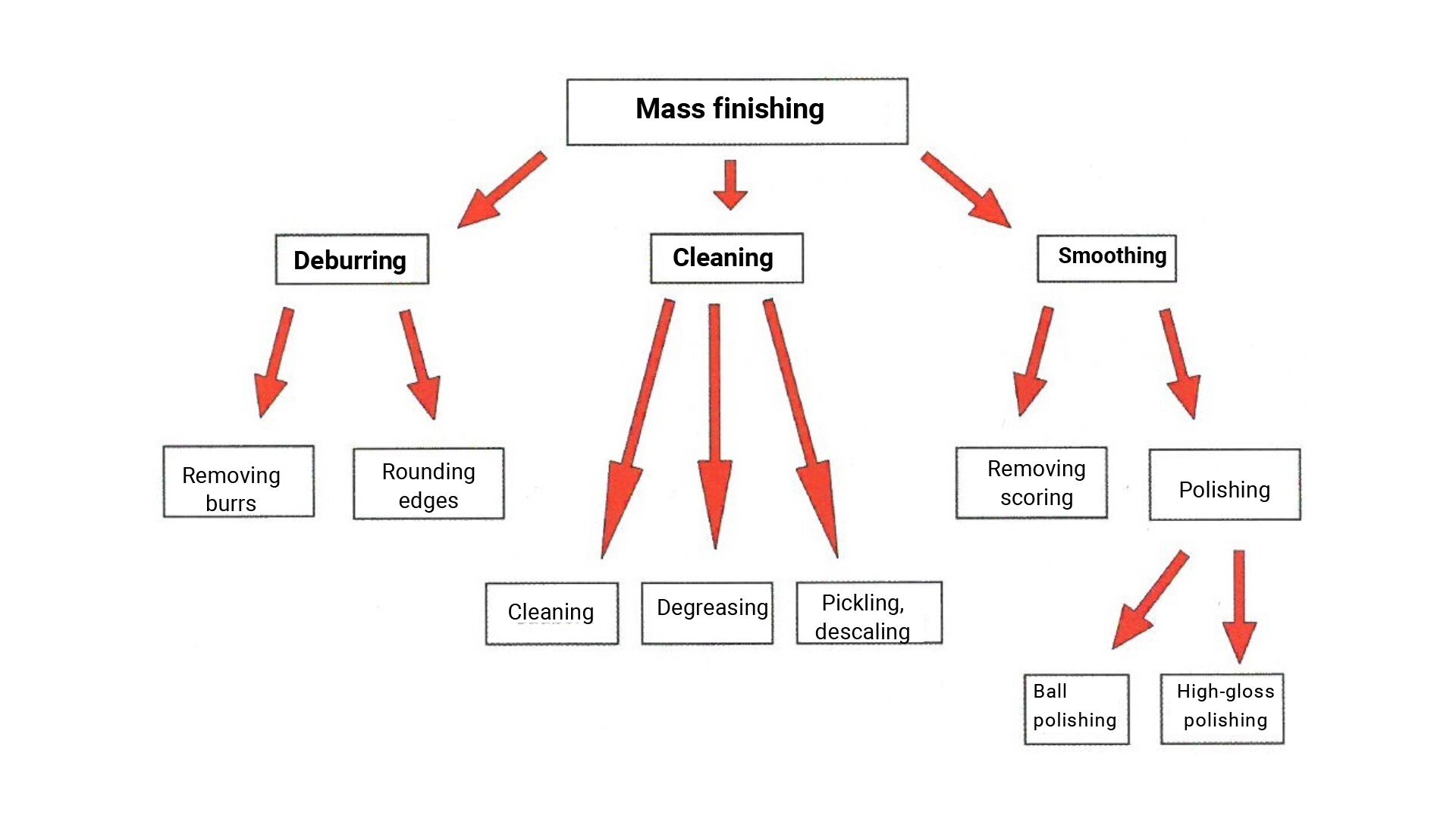
Deburring, (cleaning) degreasing, edge rounding, smoothing, polishing and drying are often possible with the same machine.
Widespread, tried-and-tested technology.
Limitation: burrs over 0.3 mm wide are hard to remove.